18 Wheeler accidents are different

Large trucks cause some of the most catastrophic crashes on Connecticut roads. Here’s what every injured person needs to know about CT law, black-box data, and how to keep more of what you’re owed.
Truck Accidents in Connecticut: Why These Cases Are Different — and Why Acting Fast Matters
The Reality of Truck Accidents in Connecticut
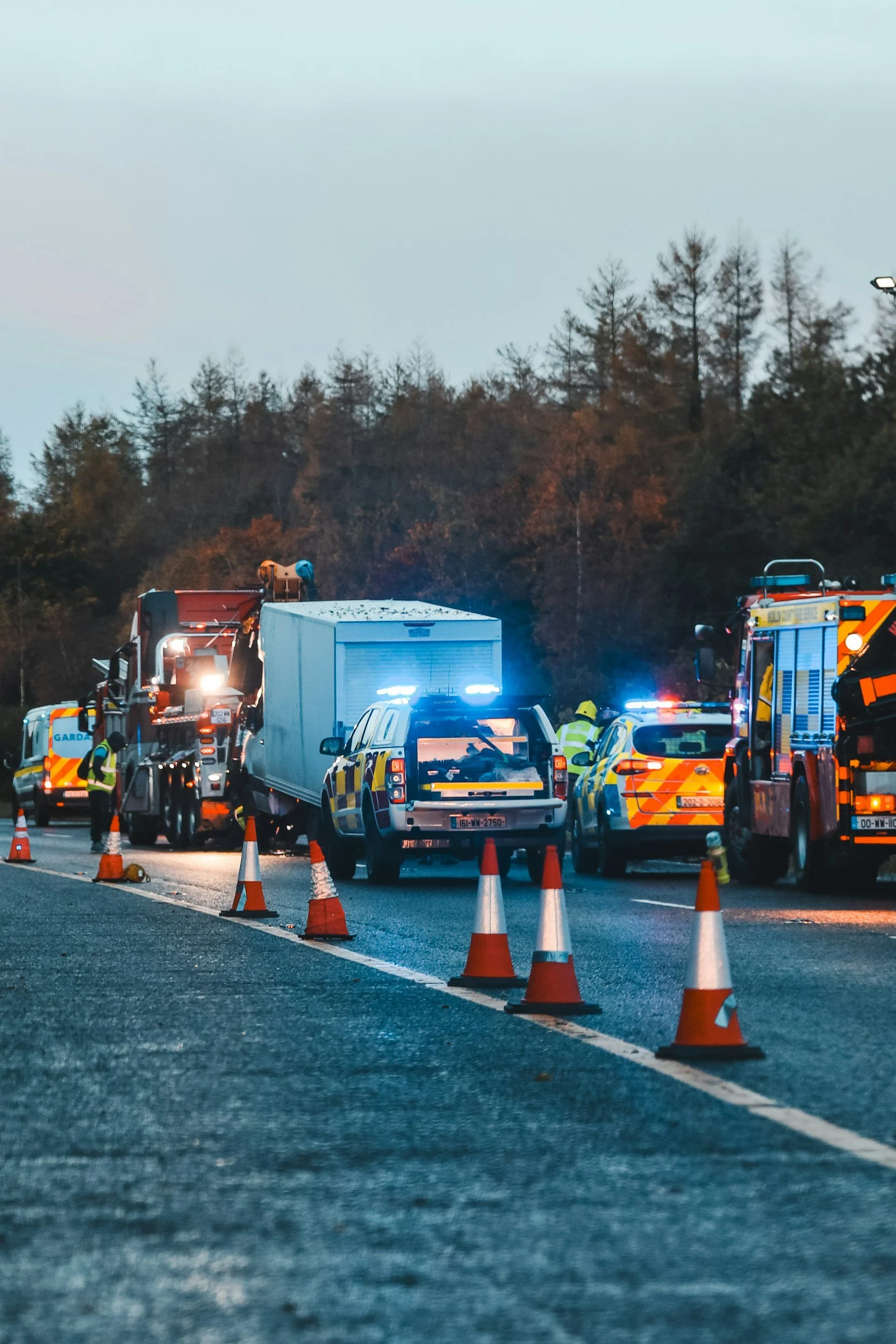
Connecticut’s major corridors — I-95, I-84, I-91, and Route 15 — carry heavy commercial traffic every day. When a fully loaded tractor-trailer collides with a passenger vehicle, the results are often severe because of the massive weight difference.
According to FMCSA data, Connecticut saw approximately 1,275 large-truck crashes in 2024 alone, resulting in 23 fatalities and hundreds of injuries. These numbers are not abstract — they represent families dealing with life-changing injuries, medical bills, lost income, and insurance companies that are already building a defense.
Truck cases are fundamentally different from ordinary car accidents. Multiple parties can share liability (the driver, the trucking company, the maintenance company, the cargo loader, and sometimes the manufacturer). Federal Motor Carrier Safety Administration (FMCSA) regulations apply, and critical electronic evidence can be overwritten in days or weeks if no one acts.
Contact Us
Why Connecticut’s Rules Make These Cases Especially High-Stakes
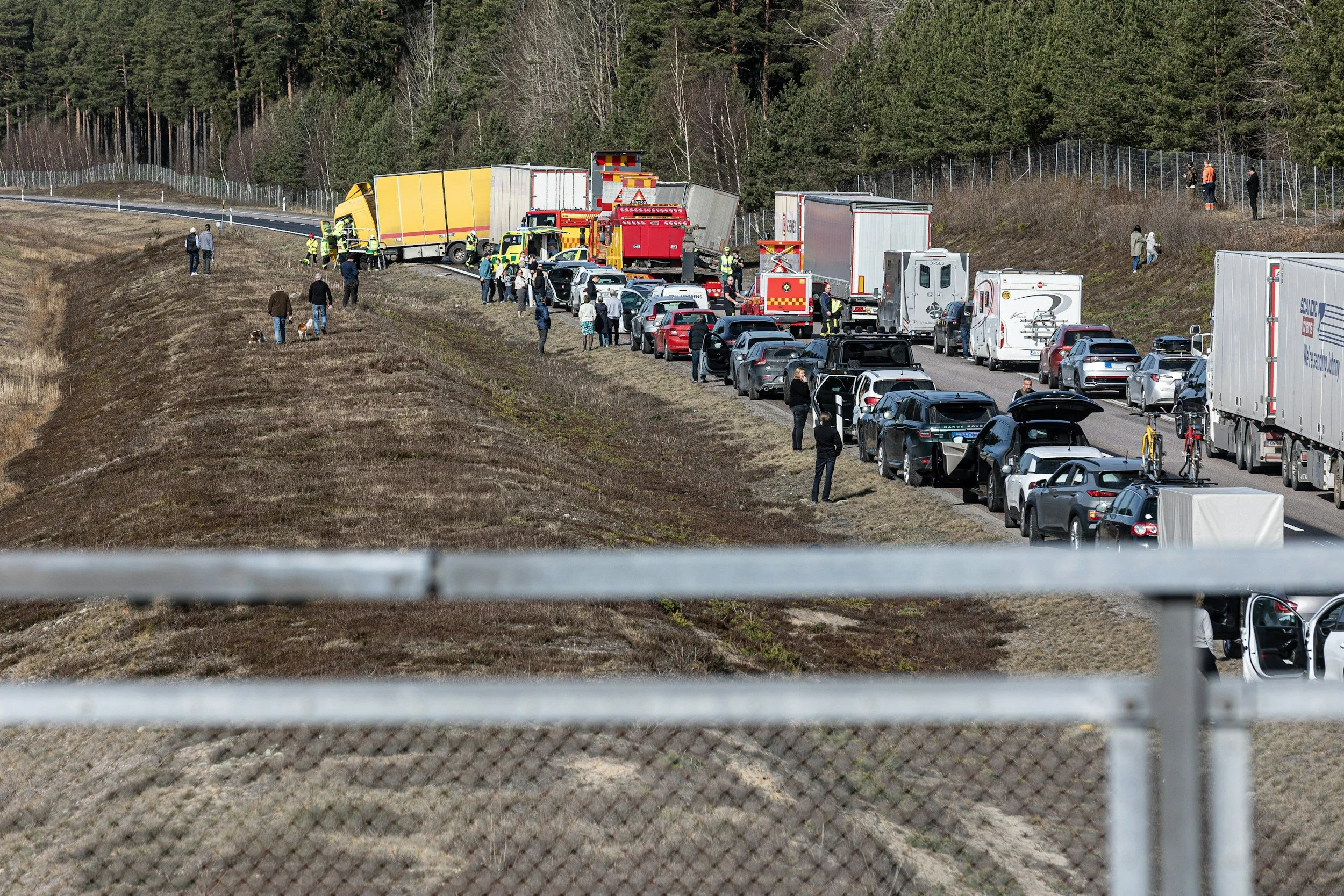
Connecticut follows a modified comparative negligence system under Conn. Gen. Stat. § 52-572h.
If you are found 51% or more at fault, you recover nothing.
If you are 50% or less at fault, your recovery is reduced by your percentage of fault.
Trucking companies and their insurers know this rule well. They often try to shift as much blame as possible onto the passenger-vehicle driver (claiming you were in a blind spot, changed lanes improperly, or were distracted). Strong evidence is the only reliable way to defeat that strategy.
The Black Box Problem — and Why Time Is Critical
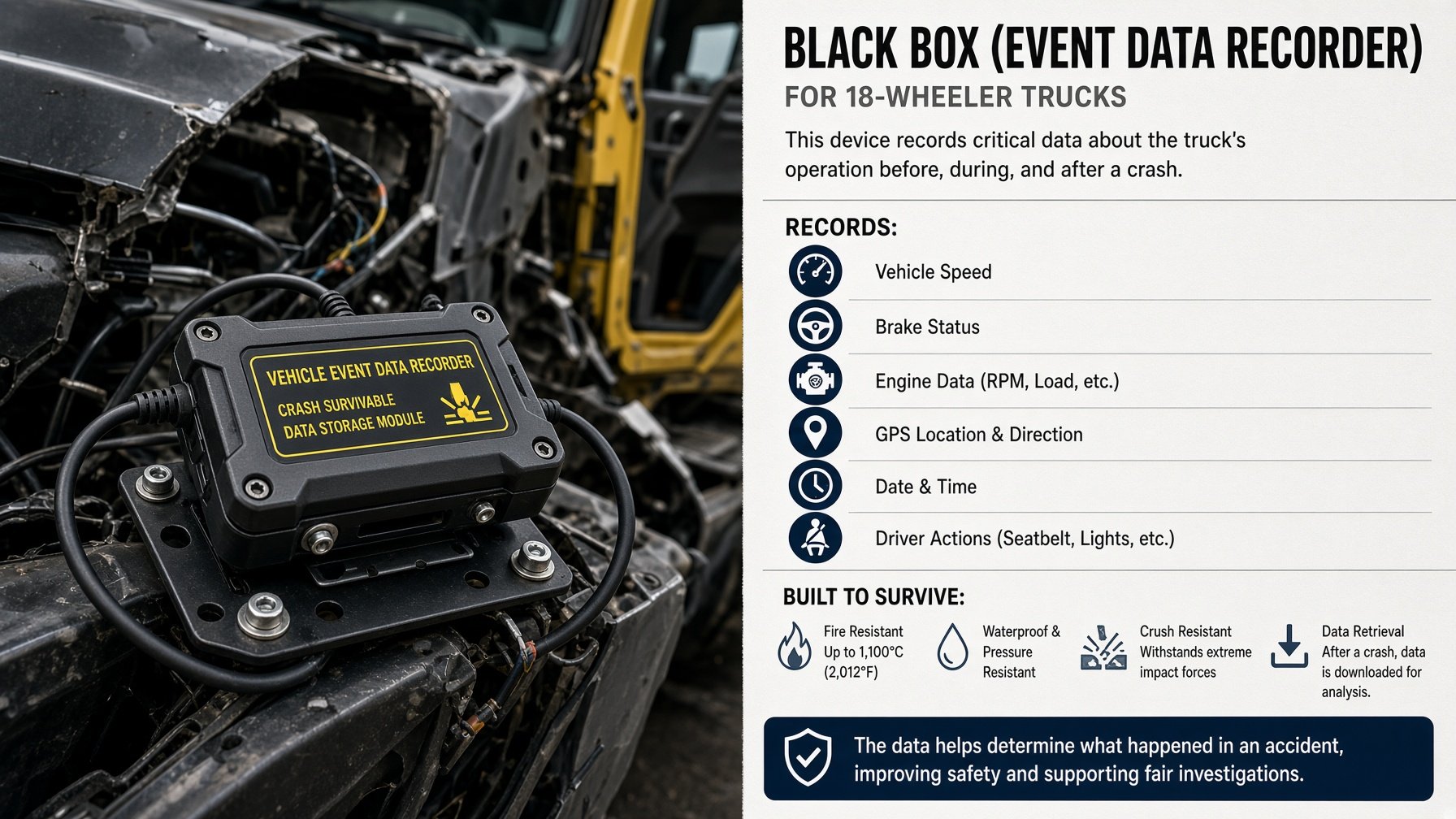
Commercial trucks have Event Data Recorders (EDRs / “black boxes”) and Electronic Logging Devices (ELDs) that record speed, braking, throttle position, engine RPM, hours of service, and other critical data in the moments before a crash.
This data is often the strongest evidence of what actually happened — but it can be overwritten quickly (sometimes within 30 days or less once the truck returns to service). Federal retention rules for ELDs are only six months in many cases.
Connecticut law takes destruction of evidence seriously. The state recognizes an independent tort of intentional spoliation and allows juries to draw an adverse inference when evidence is intentionally destroyed. A prompt spoliation / preservation letter from an attorney is one of the most important early steps in any serious truck case.
Common Causes of Truck Accidents on CT Roads
Driver fatigue and hours-of-service violations
Distracted driving
Speeding or driving too fast for conditions (especially in construction zones on I-95 and I-84)
Improper loading or overloaded trailers
Brake, tire, or maintenance failures
Inadequate training or negligent hiring by the carrier
Following too closely or failing to account for the truck’s longer stopping distance
Violations of FMCSA safety regulations can often be used as powerful evidence of negligence (and in some situations, negligence per se).
What You Should Do After a Truck Accident in Connecticut
Seek medical care immediately and follow through with treatment.
Report the crash to police and obtain the report number.
Document everything you can (photos, witness information, the truck’s USDOT number, company name, and trailer number).
Avoid giving recorded statements to the trucking company’s insurers before speaking with counsel.
Contact an attorney experienced with commercial trucking cases as soon as possible so a preservation letter can be sent and key electronic data secured.
Connecticut’s statute of limitations for most personal injury claims is generally two years from the date of injury (with some nuances and a three-year outer limit in certain situations). Wrongful death claims have their own two-year window from the date of death. Waiting can permanently damage a strong case.
How Lower-Fee Representation Changes the Outcome
Truck accident cases are complex and resource-intensive. Many traditional contingency-fee arrangements take a large percentage of the recovery.
AutoLawyerCT connects people injured in Connecticut truck accidents with attorneys who charge lower fees so that more of the settlement or verdict stays with the injured person and their family. The goal is simple: maximum recovery and maximum net dollars in your pocket.